
Suomenlinna Sea Fortress
A ferry crossing to ramparts, a shipyard and the King’s Gate
From the water, the fortress walls can be seen following the islands’ shoreline. Behind them are homes, a church and a shipyard. Suomenlinna remains part of Helsinki, and residents use the ferry from Market Square to travel between the islands and the city centre.
Contents
From the quay to the King’s Gate
The Blue Route begins at the main quay, beneath the archway of the pink barracks with its clock tower. Blue signs lead past the fortress church to the Great Courtyard. The purpose of the fortress becomes particularly clear at the dry dock, where vessels for Sweden’s archipelago fleet could be built and repaired.
Across the ramparts of Kustaanmiekka
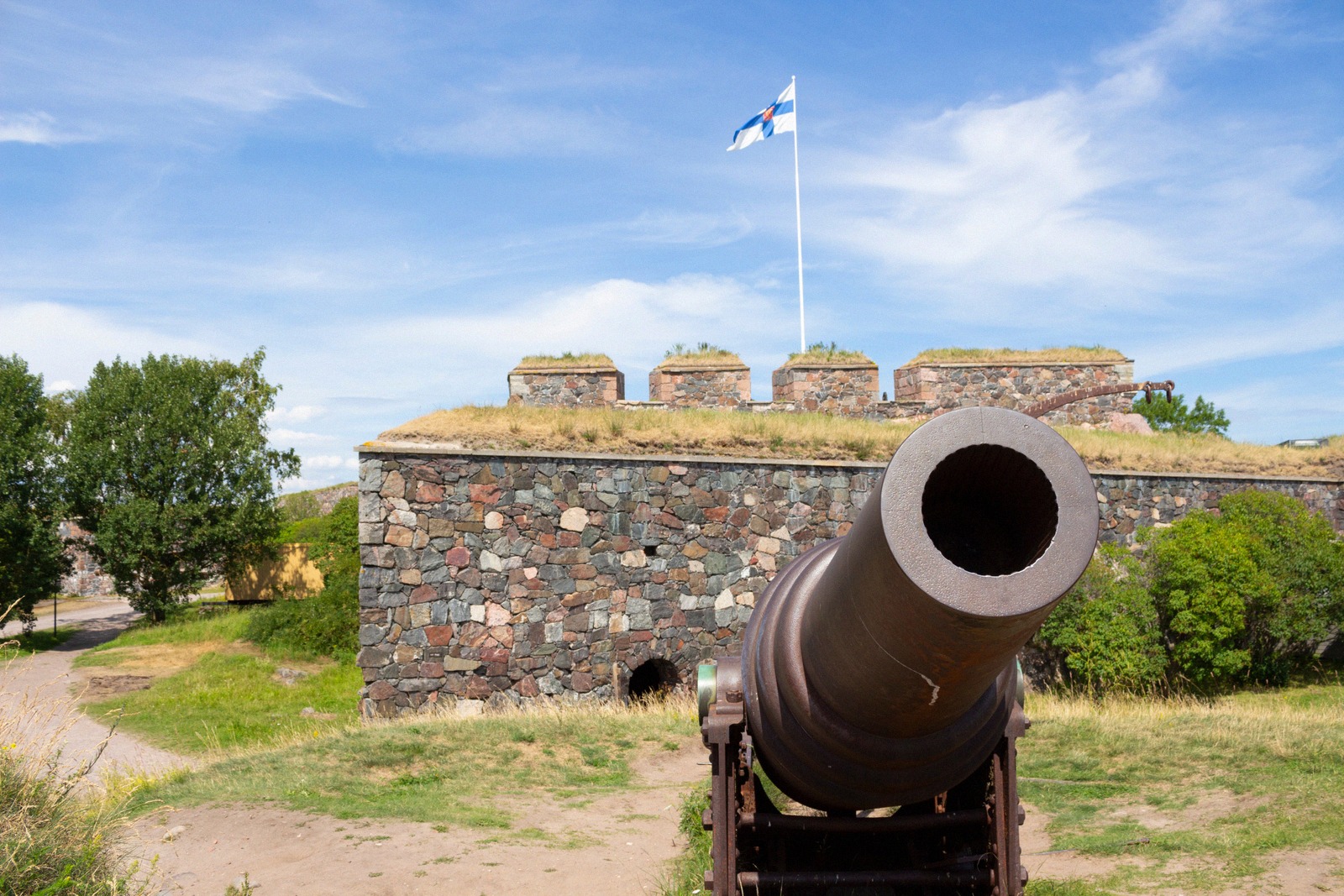
Further south, the route passes between the grass-covered ramparts and cannons of Kustaanmiekka to the King’s Gate, facing the open water. Parts of the path are surfaced with gravel or cobblestones. In winter, the return walk to the main quay follows the same route.
Sveaborg and Suomenlinna
Sweden began building the fortress outside the harbour entrance in 1748. It was initially called Sveaborg, or Viapori in Finnish. Russia used the fortress in the 19th century, and it was renamed Suomenlinna under Finnish administration in 1918. The fortress islands have been a UNESCO World Heritage Site since 1991.
A residential district within the walls
The marked route links the historic buildings while avoiding private courtyards. Workshops and museums also occupy spaces within the fortifications. The Suomenlinna Museum and the Military Museum are open year-round. Back on the mainland, Esplanadi is just a few minutes’ walk from the ferry quay on Market Square, linking the crossing with a walk through the city.
The working dry dock
Within the fortifications is a shipyard whose basins were built for constructing and maintaining the archipelago fleet. The dry dock viewpoint makes its role clear: this was a place for ships and skilled trades, while the ramparts defended the harbour entrance. Traditional vessels are still maintained in the dock. Visitors should keep to the public paths and viewpoints; the shipyard and residential courtyards are not open exhibition spaces.
Nearby
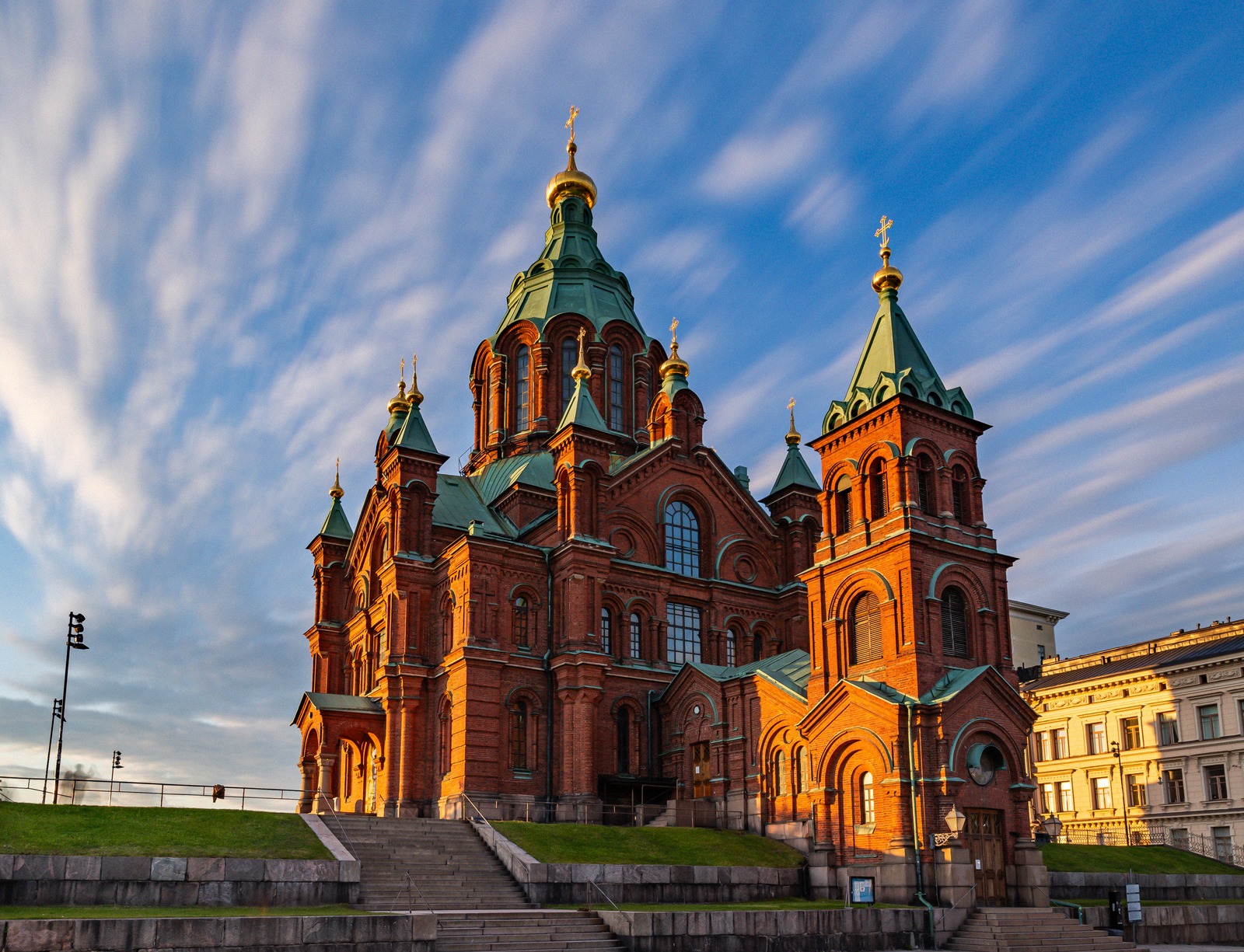
Uspenski Cathedral
Uspenski Cathedral above Helsinki’s harbour was built with bricks from Bomarsund Fortress. Inside stands an ornately decorated iconostasis.
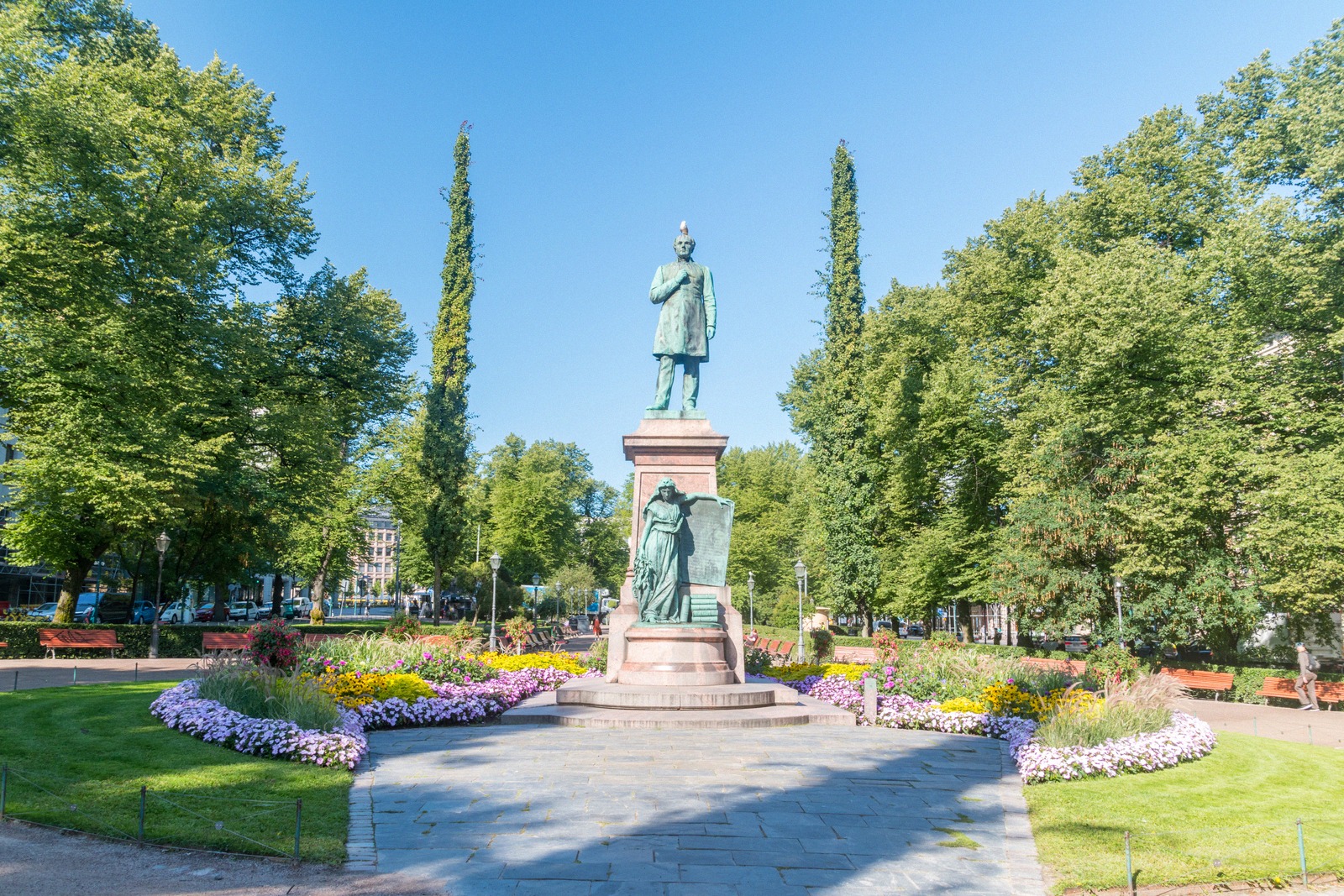
Esplanadi
Esplanadi runs from the Swedish Theatre to Market Square, passing the Runeberg monument, the historic Kappeli restaurant and an outdoor stage.
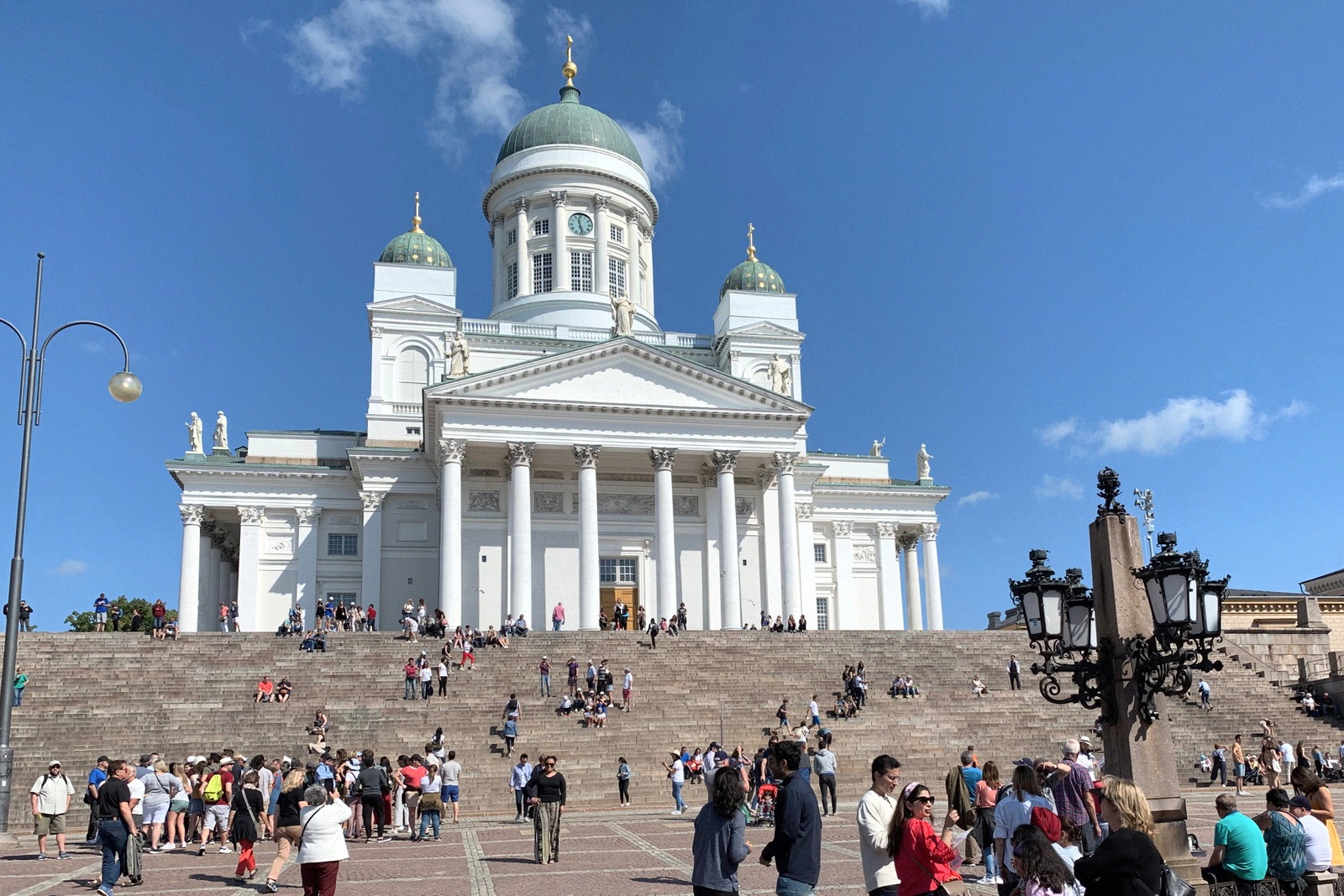
Helsinki Cathedral and Senate Square
The university and Government Palace face each other across Senate Square in Helsinki. The white Lutheran cathedral rises above the broad steps.