
Museums in Helsinki
The Ateneum stands opposite the central railway station. Across Mannerheimintie, ramps lead through Kiasma and skylights bring light into the underground galleries of Amos Rex.
On this page
Finnish art at the Ateneum
At the Ateneum, the collection display A Question of Time explores Finland’s landscapes, city life and the people painted by generations of artists. Works are arranged by theme, allowing you to compare depictions of nature from different periods. The collection also includes Hilda Flodin’s sculpture of a thoughtful old man and Lauri Leppänen’s Kullervo, a figure from Finnish epic poetry. Blind and partially sighted visitors may touch selected sculptures with permission and gloves.
From art society to a home for the arts
The collection dates back to the Finnish Art Society, founded in 1846. The Ateneum was built to house its artworks and drawing school, alongside the school of applied arts. Theodor Höijer designed the Neo-Renaissance building, completed in 1887 and opened to the public in 1888. Art was taught here until the 1980s. Its contemporary nickname, the “Palace of a Million Marks”, recalls the scale of the expense at the time.
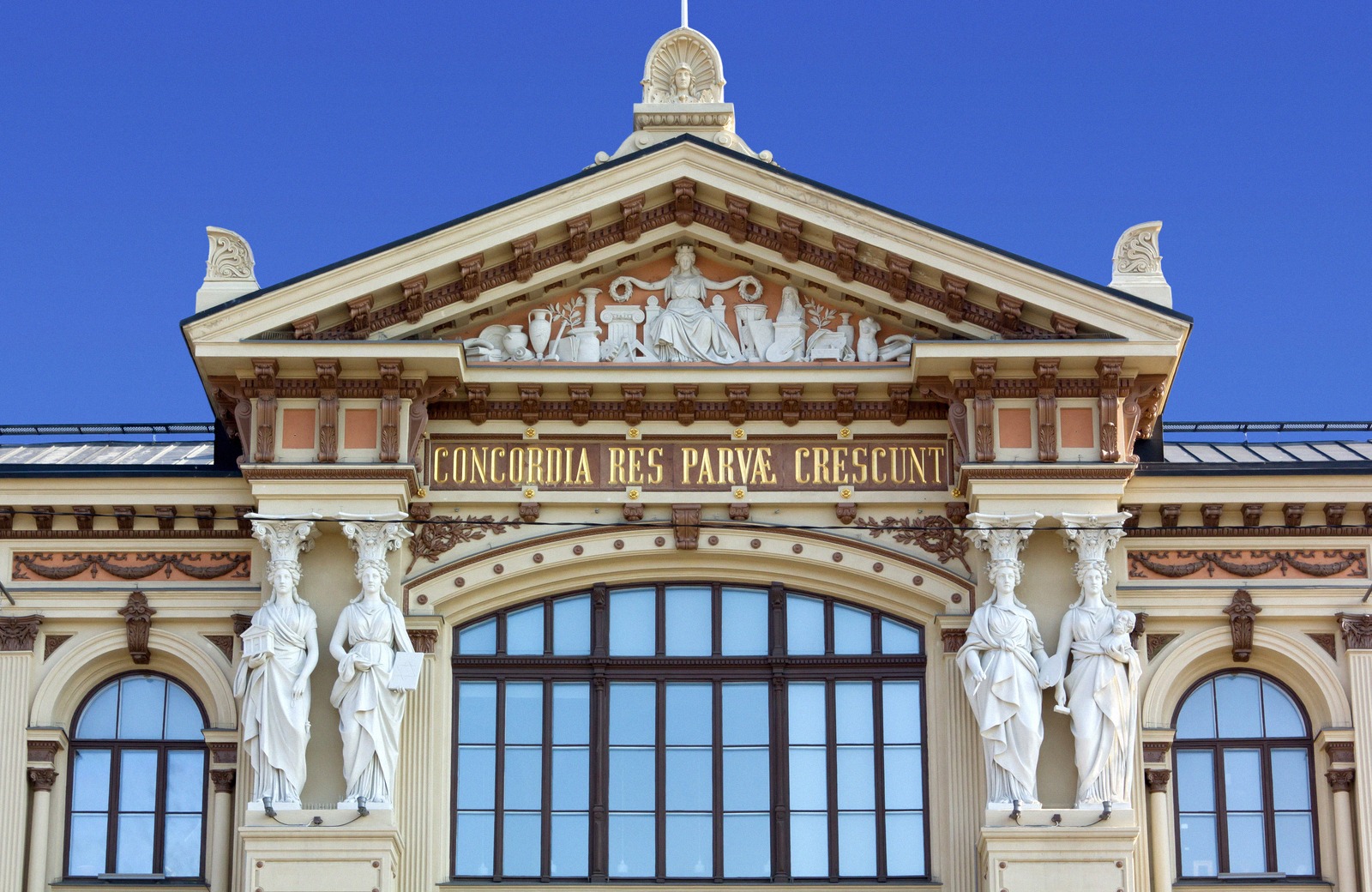
Before entering, look at the façade. Reliefs, busts and figures bring together the fine and applied arts. The architect Bramante, painter Raphael and sculptor Phidias are among those depicted above the main entrance. The four caryatids beneath the pediment form part of this sculptural scheme. Inside, the broad main staircase leads to the galleries. Alongside the collection are temporary exhibitions, guided tours and workshops; the Ateneum programme lists events for your visit.
Contemporary art at Kiasma
At Kiasma, Steven Holl’s building is part of the visit. Ramps connect galleries on five floors. Opposite, on Kansalaistori, stands Oodi Central Library. The open square between museum and library lets you see both buildings together.
Amos Rex beneath Lasipalatsi
The entrance to Amos Rex is in Lasipalatsi, the Glass Palace built in the 1930s. The exhibition galleries lie beneath the square behind the building. Their skylights rise from the ground like small hills. If time is short, you can see the courtyard on the walk between the station and Kamppi. The temporary exhibitions are downstairs inside the museum.
Amos Anderson and his collection
Newspaper publisher and arts patron Amos Anderson collected mainly Finnish art of the 20th century. After his death, his home and office building on Yrjönkatu became an art museum, opening in 1965. When it became too small for the museum’s work, a new museum was built at Lasipalatsi. Since 2018, Amos Rex has continued the collecting tradition. Its name combines Anderson’s first name with Bio Rex, the cinema in the same complex.
The collection includes paintings, prints and sculptures, as well as Sigurd Frosterus’s Post-Impressionist collection. Temporary exhibitions at Amos Rex also feature new media and large installations. The underground building changes how you see the space: the curved skylights seen from the square bring daylight into the galleries below.
Seurasaari: farmsteads and a wooden church on an island
Seurasaari was once pasture belonging to Meilahti Manor. In the late 19th century, paths, a restaurant, dance areas and a boat landing made the wooded island a destination for city outings. Today, a footbridge at the end of Seurasaarentie leads across. Walks in the public island park are free all year; during the museum season, a ticket is required for the museum buildings and their adjoining farmyards.
The open-air museum began in 1909 with the Niemelä tenant farm, moved here from Konginkangas. It preserves rural buildings and domestic life from different parts of Finland. Complete farmsteads stand alongside individual homes and outbuildings, allowing you to compare regional building traditions and daily life. Furnished interiors show the furniture, tools and workspaces associated with the houses and their former residents.
Among the oldest buildings is the wooden Karuna Church, dating from the late 17th century and moved to Seurasaari in 1912. A parsonage, manor house and farmsteads also form part of the visit. The buildings are spread across the grounds, with gravel paths between them, so suitable footwear is useful. Many houses have steps and high thresholds, with limited accessibility.
The museum season runs from 15 May to 15 September. Outside this period, interiors are closed, while the island park remains open for walks. Bus 24 serves the Seurasaari stop; bicycles must be left before the bridge. Seurasaari visitor information gives the detailed seasonal opening hours and access arrangements.
Renovation of the National Museum of Finland
The National Museum of Finland is closed for renovation and expansion. It plans to reopen in April 2027.
The historic building on Mannerheimintie was designed by Herman Gesellius, Armas Lindgren and Eliel Saarinen. Its tower and solid stone walls recall medieval churches and castles; the museum opened in 1916. Akseli Gallen-Kallela’s Kalevala frescoes decorate the entrance hall. They draw on subjects he had previously used for the Finnish pavilion at the Paris World’s Fair.
The collection covers Finland’s history, from prehistoric finds through the centuries of Swedish and Russian rule to the independent state. Archaeological objects, everyday items and evidence of political life span this history. The former exhibitions and Vintti workshop date from before the renovation; the museum will reopen with a new exhibition programme. The extension lies largely beneath the courtyard garden, connecting new spaces to the historic main building.
Helsinki City Museum by Senate Square
The City Museum stands in the historic Tori Quarters beside Senate Square. Several old buildings, a new building and courtyards form the museum complex. It collects Helsinki’s material and intangible heritage: photographs, everyday objects and personal memories show how people lived and live in the city. A visit adds the stories of residents to the view of the cathedral and grand civic buildings.
Admission to the City Museum and Children’s Town is free. In Sederholm House, children can explore city history through dressing up, hand puppets, an old classroom and a shop from the past. Adults accompany children as they play. Pushchairs must stay in the covered courtyard because of the narrow rooms in Children’s Town; the other museum rooms are accessible with pushchairs.
Four further museums belong to the group, each with its own focus. Hakasalmi Villa hosts temporary exhibitions. The Burgher’s House Museum presents a historic wooden house and middle-class domestic life, while the Worker Housing Museum explores working families’ daily lives. The Tram Museum displays old carriages in a former tram depot; you can step inside some of them. The Burgher’s House and Worker Housing Museum open seasonally, and Hakasalmi Villa has separate admission arrangements. The museum overview and visitor questions help you choose.
Design in the south, fortress history on the islands
The Architecture & Design Museum at Korkeavuorenkatu 23 can be combined with a walk past design shops south of Esplanadi. On Suomenlinna, the focus changes. The Suomenlinna Museum explains the fortress’s construction and history before you explore its ramparts and old dock. Allow time for the ferry crossing as part of the day.